Full access is live

Welcome back

Every calculation is unlocked. Change one figure and re-run it as many times as you like — nothing is deducted, nothing counts down, and none of it expires.

Your access Unlimited No expiry, nothing to renew

Good to know

All guides

Your account

Access and orders

The clock started at the funeral, or at probate. Nobody had to tell you which.

Don't lose over $400,000. We'll show you your family provision claim options.

Somebody has been left out of a will, or left far less than they expected, and now there is a solicitor's letter and a family that has stopped speaking. Nobody in this has told you the two things that decide it: how long you have, and how much of the estate the fight itself will eat.

A simple claim that settles early costs $20,000 to $40,000 a side, and one taken to a hearing upwards of $100,000 a side — out of the same estate everybody is arguing over. We price all nine endings in three minutes, so you can see which of them costs what before anybody spends a dollar.

  • Free estimate. No card, no sign up
  • Full report $249 — the fight itself starts at $20,000 a side
  • Figures as at , legislation quoted by section
30 second estimate

Three questions for a quick estimate:

$
Preventable by agreement, at least $— the gap between settling early and fighting
This estate could be exposed to $—

A rough guide only, on stated assumptions about the person claiming. The full calculator asks about their circumstances and prices every ending.

If this is you

If none of this makes sense,
that is not your fault.

There is no Australian law about contesting a will. There are eight, one per state and territory, and they disagree about who may claim, how long they have, and what a court can reach. Nobody publishes them side by side, because nobody has any reason to.

"How long have I got? Nobody will tell me."

Because it depends on the state and on what the period runs from, and half the country's clocks start on a date nobody announces. The executor's solicitor acts for the estate, not for you, and has no duty at all to tell you when yours started.

"What is a notional estate, and why does it matter?"

It is a power one state has and seven do not. In New South Wales a court can point at the house that passed to the survivor automatically, or superannuation paid straight to a nominated person, and treat it as though it had been in the estate all along.

"Everybody is telling me something different."

A cousin who won one in Victoria, a mate who lost one in Queensland, and an article about New South Wales. All three can be right and none of them is about your state, or your relationship, or the size of the estate you are actually arguing over.

"Is this going to eat the whole estate?"

The honest answer is that a lot of it might, and that almost nobody works out how much before they start. The costs of both sides usually come out of the same money everybody is fighting over, and they come out before anybody inherits anything.

So we built the thing that was missing.

You type in the estate, the person and their circumstances. We apply your state's own Act, work out all nine ways this can end, and put them in order on one measure: what reaches the people the will actually names. No appointment, no conflict check, no retainer, and we do not act for anybody in it.

The executor won't tell you Their duty is to administer the estate and to defend it. They are not allowed to advise a person considering a claim against it, and their solicitor is not allowed to act for both.
The court won't tell you Registries publish the rules and the forms and cannot give advice about your own case. The one thing an Australian court has published about what these claims ought to cost is on an estate under , in a single state.
A solicitor will — and the claim itself costs $20,000+ a side That is the right call for a live dispute and we are not pretending otherwise: they can advise you, act for you and appear for you, and none of those is something this page does. Most people simply want the arithmetic first, and they want it before the meter starts.

Three questions, thirty seconds, and you will know roughly where you stand. It costs nothing.

The loss

One estate. One claim.
$428,302 between the two endings.

A $1,850,000 New South Wales estate with $120,000 of debts, two children named in the will and a third who was left out. The same claim, by the same person, on the same facts — and the only difference is how far it was allowed to run.

Fought it

Nobody priced it, so both sides dug in

  • Nothing was offered before proceedings were filed
  • Affidavits, valuations and a mediation that failed
  • Heard and decided two years after the funeral
  • $275,000 of legal costs, mostly out of the estate
Reaches the two children the will names $1,099,630
Worked it out

The exposure was priced before anybody filed

  • The indicative range was known on both sides
  • A figure was put and negotiated, with no proceedings
  • A deed of family arrangement, signed inside four months
  • $34,600 of legal costs instead of $275,000
Reaches the two children the will names $1,527,932
Same estate. Same claim. One family lost this. $428,302 $214,151 each, for the two children the will actually names — gone, out of an estate that was never in doubt. Neither family did anything wrong and neither was badly advised: there are nine lawful ways a claim against a will can end, they leave amounts that differ by six figures, and the first family was never shown what any of them was worth until the money had already been spent. Every dollar of it was preventable by agreement, on the same facts, with nobody conceding anything about the merits. The report that prices all nine endings before you pick one costs $249.

Both families are invented. What is not invented is the arithmetic: every figure above is what this calculator produces on those inputs, under the Succession Act 2006 (NSW), and you can put the same numbers in yourself and get the same answer. The provision figures are an indicative range built from published anchors and stated assumptions, and the report says which is which on every line. Nothing here predicts what a court would order.

The alternatives

Three ways to find out what this is worth.
Two of them cost you before they answer.

Guess
what most families do
A solicitor
wills and estates
Family Provision
This calculator
What it costs Nothing now,
the estate later
$20,000 – $40,000 a side
to run a simple claim
$249
How long it takes Weeks of arguing Two to six weeks Under 3 minutes
Every ending priced
Working shown Usually not
Can act for you

The clock

Three dates that decide this for you

Every one of them is in an Act of parliament, and missing one makes the choice for you at a price you did not pick and cannot change back. This is the only kind of urgency this site is allowed to use, and on this subject there is more than enough of it.

To apply in New South Wales

From the date of death, not from probate — Succession Act 2006, s 58(2). It is the longest effective period in the country and it is also the one people miscount, because they assume it starts when probate is granted. The deadline in every state.

To apply in Tasmania

From the grant of probate — Testator's Family Maintenance Act 1912, s 11(1). The shortest window in Australia, and short enough that late applications are ordinary rather than exceptional. Tasmania, the NT and the ACT.

How far back New South Wales can reach

A transaction entered into within that window before the death can be designated as notional estate where the purpose was to defeat a claim, and within one year regardless of purpose where a moral obligation was owed. Succession Act 2006, s 80(2). What notional estate reaches.

The report

The Family Provision Exposure Report

The free estimate tells you roughly where you stand. This is the part that gives you the actual numbers and puts every ending in order. Sixteen sections and fourteen charts, on your own figures, with every working shown so you can check it or argue with it.

Free — tells you there is a decision

  • Whether this person is an eligible person in your state, and under which Act
  • The deadline, what it runs from, and the section it comes from
  • The pool a claim can reach, and what your state can do about assets outside the will
  • All nine endings named and explained, with half the steps of each
  • The exposure and the indicative provision, both as bands
  • What each beneficiary of the will stands to lose, as a figure

What stops the loss — $249

  • What each of the nine endings leaves the will's beneficiaries, to the dollar, and per beneficiary
  • How much of the exposure is preventable by agreement — the gap between settling early and fighting it out, on your own figures
  • How much of it is legal costs rather than provision — money that reaches nobody at all
  • Every line of the need calculation, with the published source beside each one
  • Each factor the Act names, and exactly what it did to the index
  • The cost band for every route, and where the published cap bites
  • The same estate priced under all eight Acts, side by side
  • What each beneficiary actually receives under every ending
  • The questions to put to a solicitor, written out
  • The assistant, on your own figures, with no limit
  • The whole thing as a PDF you can print, charts included

See a real one, free — an invented estate run all the way through, with the open half exactly as a customer sees it, and the assistant live on it for two questions.

How it works

A contested will, in three steps

If you know roughly what the house is worth, you can use this. Simple mode asks about fifteen questions and makes stated assumptions about the rest. Advanced is there if you want to change them.

01

Tell us about the estate

Roughly what it is worth, the debts, anything that passed outside the will, and who might claim. We never ask for a name — not yours, not the person who died, not any party, and not a single document. Nothing here would identify anybody to anybody.

02

See where you stand, free

Whether this person is on your state's list, the deadline and what it runs from, the pool a claim can reach, and all nine endings named and explained. The two figures held back are the exposure and the provision, and both are shown to you as bands.

03

Price every ending

$249 opens the full report: every ending worked out and put in order, so the expensive one is obvious before anybody commits to it. PDF included, ready to take to a solicitor.

Built on eight named Acts

Succession Act 2006 (NSW), Administration and Probate Act 1958 (Vic), Succession Act 1981 (Qld) and the other five, quoted with the section number wherever they are used.

Three kinds of number, kept apart

What the Act says, what somebody else published, and what the model assumes. Every figure on the report is labelled as one of the three, on the page rather than in a footnote.

Not advice, and we say so

We are not a law firm, we do not act for anybody, and we take no referral fee from anybody who does. Nothing here predicts what a court would decide, because nobody can.

Refunded if it does not fit

If the report does not apply to your circumstances, tell us what went wrong within 14 days and we refund you in full.

Included with the report

And if you do not follow something,
just ask it.

Every report comes with an assistant that has read your report — your estate, your state's Act, your nine endings — and answers questions about it in plain English. Not a search box and not a help page. It knows what your report says because it has been given it.

Ask Agent
Why is so much of this legal costs?
On your figures the ending where it goes to judgment takes $242,200 out in costs against $204,016 in provision — so more of the exposure is the fight than the claim. Costs in these cases usually come out of the estate on both sides, and they do not follow the event the way they do in other litigation, so even the ending where the claim is dismissed still takes $181,650 out.
What is a notional estate in normal words?
It is a New South Wales power, and only New South Wales. A court can point at something that never became part of the estate — a house that went straight to the survivor, super paid to a nominated person — and treat it as though it had been in the estate all along. On your figures nothing was entered as passing outside the will, so it does not change your pool.

An example of the kind of answer it gives, on the sample report's figures.

  • It has your report, not a script "Why is the range that wide?", "what does the factor index mean?", "what happens if my brother claims too?" — it answers from your own figures and quotes them back.
  • Plain English, on a subject that is anything but It is built for this one subject and told to explain rather than impress — no phrase like "notional estate" or "eligible person" without the plain meaning attached, short answers, and no lecture.
  • Entirely optional. Use it or ignore it. It sits behind one button on your report and does nothing until you press it. Nothing in the report is held back from somebody who never opens it, and nothing is sent anywhere unless you ask it something.
  • It is never told who you are What it receives is the figures on your report — amounts, categories and your state. Not your name, not your email address, not your account, and never the name of the person who died, of any party, or of any solicitor, because we never asked for those. The name you can put on the report cover is optional and is not part of what it is given.
  • Nothing is kept The conversation stays in your browser tab and is gone when you close it. We record that a question was asked so we know the feature is used — never what it said. Section 5 of the privacy policy sets out exactly what does and does not travel.
  • It explains. It does not advise. It will tell you what your state's Act says, what each ending costs and where the figures come from. It will not tell you whether to bring or defend a claim, and it will not tell you what a court would decide — the same line the report itself holds.

Pricing

One price, and both sides of a dispute pay it

One payment, no expiry, nothing to renew, and we never keep your card. It opens the whole report and lets you redo the sums as often as you like, for as long as the matter runs.

The only thing you can lose here is the price of the pass — and you cannot lose that either. If it does not fit your situation, tell us what went wrong within 14 days and we refund you in full.

Prices in Australian dollars. Paid securely through PayPal — card or PayPal balance, no account needed. See a sample report before you decide.

Questions

The questions everyone asks first

Only an eligible person, and the list is set by each state's own Act. A spouse or de facto partner and a child of the person who died are eligible everywhere. Beyond that it varies: New South Wales also allows former spouses, grandchildren and household members who were dependent; Victoria also allows stepchildren and registered caring partners; Queensland is the narrowest of all at spouse, child or dependant. Being eligible is only the door — the court then asks whether the will left that person without adequate provision for their proper maintenance, education and advancement in life.

New South Wales allows 12 months from the date of death. Queensland wants written notice within 6 months of the death and the application filed within 9 months of the date of death. Victoria, South Australia, Western Australia and the ACT allow 6 months from the grant, the Northern Territory allows 12 months from the grant, and Tasmania is the shortest at 3 months from the grant. What catches people is not the length but what the period runs from: probate is often granted months after a death, so six months from probate and six months from the death are very different amounts of time.

Australian practitioners publish $20,000 to $40,000 a side for a simple claim that settles early, and upwards of $100,000 a side for an average estate taken to a hearing — and an estate usually carries both sides. No Australian court publishes a scale, so the report prices costs as an indicative band and says on the page that it is one: roughly 1% to 8% of the estate where it settles and 8% to 20% of the estate where it runs to a contested hearing. The one thing a court has published is a power rather than a figure: where the net distributable estate is under $1,000,000, the Supreme Court of New South Wales may cap what a party recovers (Practice Note SC Eq 7, paragraph 40).

In New South Wales it can. The notional estate provisions in the Succession Act 2006 let a court designate property that never formed part of the estate — a house that passed to the survivor, superannuation paid straight to a nominated person, a gift made in the three years before death — and treat it as though it had been in the estate all along. No other state or territory has anything like it, so everywhere else what passes outside the will is outside the claim.

The one national study of this is White, Tilse, Wilson, Rosenman, Purser and Coe, Estate Contestation in Australia: An Empirical Study of a Year of Case Law (2015) 38(3) UNSW Law Journal 880. It reviewed every publicly available Australian succession judgment over twelve months and found that about 74% of the family provision claims in it resulted in some change to the distribution, rising to about 88% for estates between $1m and $3m. 63% of the claims were brought by children of the deceased and 23% by partners or former partners. Those are findings about judgments — the minority of matters that did not settle — and they are not a prediction about any particular claim. Nothing on this site will give you a percentage chance of success, because nobody can.

No. This is an information service: it applies the published succession legislation to the figures you enter and shows what they produce, with every working visible. It ranks the ways a claim can end on one stated arithmetic measure — what reaches the will's beneficiaries — and it does not recommend one, does not predict what a court would do, and does not tell you whether to bring or defend a claim. For a live dispute you will want a solicitor, and the report ends with the questions to put to one.

Most of what is at stake here is preventable. The deadline is not.

On the worked example above, $428,302 of the difference was the gap between settling before anything was filed and fighting it to judgment — both open, on the same facts, with nobody conceding a thing about the merits. That part is a choice.

The deadline is not. A figure can be renegotiated, a mediation can be adjourned, a valuation can be redone. A limitation period that has run out can only be fixed by asking a court's permission, and that is never automatic — and once an estate has been paid out to the beneficiaries, a claim runs against them personally rather than against a fund. Three minutes now is the cheapest three minutes in the whole of this.

No card. No sign up. No names. Your answer on the next screen.

Whichever side of this you are on, the arithmetic is the same and neither of you has seen it.

Seven short steps, and nothing here identifies anybody

Step 1 Just started

    Figures as at . The legislation is quoted with its section number wherever it is used.

    1 Which side of this are you on?

    It is the same estate and the same arithmetic either way. What changes is which figure the report leads with — what could leave the estate, or what could come to you.

    Pick the one that describes you

    Usually where the person lived and where their house is. This one answer changes more of the result than any other on the form: who may claim, how long they have, and whether assets that passed outside the will can be reached.

    There is no Australian family provision law — there are eight, and they do not agree

    A court asks one question in two steps: is this person on the list, and did the will leave them without adequate provision for their proper maintenance, education and advancement in life. It is not asking whether the will was fair.

    Short steps, and only the questions that decide most of the answer.

    2 What is there to argue about?

    Round figures are fine and nobody has exact ones at this stage. Everything in the report is worked out against the pool, so it is worth getting the shape right rather than the cents.

    $

    The house, the accounts, the shares, the car — anything that was in their own name. Market value, not what it cost.

    $

    Everything paid before anybody inherits: the mortgage, the credit cards, the funeral, the final tax return. The mortgage is the one people forget.

    The estate less the debts is the pool. In one state, it is not the whole pool.
    $

    Money and property the will has nothing to say about, because it never became part of the estate. On a lot of Australian estates this is most of the money.

    If it is a mixture, pick the largest. The kind matters because New South Wales reaches each of them by a different route.

    New South Wales is the only jurisdiction in Australia that can designate property which never formed part of an estate and treat it as though it had. Everywhere else, what passes outside the will is outside the claim.

    A jointly owned house goes to the survivor the moment the other dies. It never goes near probate. Superannuation is not automatically part of an estate, and which side of that line it falls on can decide the whole question. Assets in a discretionary trust belong to the trust. What passes on death is control of it.

    Nobody inherits a pool. The report divides every ending by this number, which is the figure a family actually argues about.

    Why the size of an estate changes what kind of problem a claim is

    3 Who might claim, and what does the will give them?

    Answer it about the person you are worried about. If more than one person might claim, run the strongest one first and the others afterwards.

    Answer it about yourself, as accurately as you can rather than as generously as you could. A claim built on a version of the history that does not stand up is worse than no claim.

    This decides two separate things: whether a claim can be brought at all in your state, and how much of an estate this kind of relationship could realistically move.

    $

    The value of whatever they actually receive under the will as it stands. Zero if they get nothing. This is the single largest thing that can take a claim off the table.

    Some categories have one more hurdle to clear before a court reaches the merits Where a stepchild stands depends entirely on the state, and it is the sharpest split in the country If your relationship is not on your state’s list, there may be another heading you fit under

    Dependency is what puts several of the outer categories on the list in the first place. A grandchild or a household member who was not being supported is usually outside the Act altogether.

    Answer it as it actually was rather than as either side would describe it.

    Estrangement does not by itself defeat a claim anywhere in Australia. What courts look at is what caused it.

    Years of unpaid care is one of the strongest single facts a claim can have, and it is the one people most often fail to mention because it does not feel like money.

    Why care counts as a contribution to an estate

    4 What do they actually need?

    Every one of these Acts sends the court to the same short list: what this person has, what they earn, where they live, their health, and who depends on them. The report puts a figure on each and shows you every line of it.

    $

    After their own debts: equity in a home, savings, superannuation, a car. Only part of it is counted against the claim, and the report shows exactly how much and why.

    $

    Before tax, from everything: wages, a pension, rent, a business. If it is irregular, use a normal year.

    How the model puts a figure on "proper maintenance" What one person lives on, taken from a published Australian budget standard

    Housing is the largest single component of what a court means by maintenance, and it is the thing these orders are most often made to provide.

    Every family provision Act in Australia names disability directly as a matter the court is to consider.

    Why housing is the biggest number in the calculation How the model counts a health condition, and that the figure is its own

    Both ends of life weigh, for opposite reasons: little working life left at one end, education and getting established still ahead at the other.

    Children or others they are responsible for. Their needs form part of this person's needs rather than being claims of their own.

    5 Who else has a call on the same estate?

    One estate cannot answer every claim in full. This is the factor a claimant is least likely to have thought about and the one an executor thinks about first.

    Count the other people who would be on the eligible list in this state and who have a real call on the estate. Do not count people who are simply named in the will.

    Courts read these and weigh them. A calm, specific, factually accurate statement carries weight; a bitter or inaccurate one is used against the estate.

    What another claimant does to this one What a statement of reasons does, and what it cannot do Where the top of the indicative range comes from, and why it is the model's own The factor index is an index, not a probability
    years

    The model's largest single assumption. Somebody in their thirties arguably has more years ahead than ten; somebody in their eighties has fewer. The report shows what the answer looks like across a range of them either way.

    6 How much time is there?

    Both dates are optional and most people only have one of them. Fill in whichever you have and the report counts down the period in your state against it.

    It sets the clock in New South Wales and Queensland, where the period runs from the death rather than from probate.

    The day the court issued probate, or letters of administration where there was no will. It is the day the clock starts in the other six jurisdictions.

    This changes more about a late claim than the delay itself does. Once the money has gone to the beneficiaries, a claim runs against them personally rather than against a fund — and in several states a court cannot extend the time at all once distribution is complete.

    How long there is, in each state, and what each period runs from What a grant of probate is, and why small estates sometimes never get one Whether the deadline can be extended, and what a court looks at What happens once the estate has been paid out

    7 Check it over, then we run the numbers

    This is everything you have told us. Anything wrong? Click the line to go back and change it.

    Everything is ranked on one measure, and the report says which The nine ways a claim against a will actually ends Who pays the lawyers, and why it is the destructive part The one limit any Australian court has published Why mediation is not optional What a deed of family arrangement is Whether somebody can give up the right to claim A life interest instead of a lump sum What this calculator deliberately does not do A claim based on a promise is a different kind of case

    Printed on the cover and nowhere else, so a report you send to a sibling or a solicitor is recognisable when they open it. We never ask for the name of the person who died or of any party.

    Saved automatically so you can reopen it from My reports. Change one figure later and save that as another.

    Free. No card, no sign up, and your answer appears on the next screen.

    What applies to this estate

    The part that decides what is left

    You could lose $0

    What that figure is, on the estate you entered.

    A solicitor’s opinion on the merits $20,000 – $40,000
    Getting it wrong
    This report, right now $249
    Unlock all nine endings, priced

    You can provide a different email to use as your login - or the PayPal one

    Secured by PayPal Refundable Nothing renews

    And you can ask it questions. Your report comes with an assistant that has read it and explains any figure in plain English — if you want it. It is given the amounts on your report, never your name or your email, and the conversation stays in your browser.

    See everything it includes · See a sample report

    The only thing you can lose here is the price of the pass — and you cannot lose that either. If it does not fit your situation, tell us what went wrong within 14 days and we refund you in full.
    The only thing you can lose here is $249 — and you cannot lose that either. If it does not fit your situation, tell us what went wrong within 14 days and we refund you in full. See a sample report before you buy.

    Before you decide

    Yes, it is included, and using it is entirely your choice. It sits behind one button on your report and does nothing until you press it — nothing in the report is held back from somebody who never opens it.

    When you do ask it something, what it receives is the figures on your report: amounts and categories. Not your name, not your email address, not your account, and never a Medicare number, tax file number or bank detail — we do not hold those in the first place. The name you can put on the report cover is optional and is not part of what it is given. The conversation stays in your browser tab and is gone when you close it, and we record that a question was asked without recording what it said.

    Section 5 of the privacy policy sets out exactly what does and does not travel, including who processes it.

    No. You pay once and the access is yours. There is no subscription and nothing renews. PayPal handles the payment, so we never even see your card number.

    Yes, and they often do. It is one price and one report, and the arithmetic is identical whichever side pays for it — which is the point. We do not act for anybody, we never see who anybody is, and there is nothing here that one side gets and the other does not. Several families have bought two and compared them; they were the same report.

    What you are getting

    Total $0.00

    You can provide a different email to use as your login - or the PayPal one

    Secured by PayPal     Pay by PayPal or card     No renewals

    First, the three things nobody explains

    1
    There is no Australian law about this. There are eight.

    One Act per state and territory, and they disagree about who may claim, how long they have, and what a court can reach. The same family with the same facts gets a different answer either side of a border. Every card below says which Act it was run under.

    2
    The lawyers are paid out of the thing being fought over.

    Costs in these cases usually come out of the estate, on both sides, in a proportion the court decides. They come out before anybody inherits anything, and they do not follow the event the way they do in other litigation — so an estate that wins can still pay for the loser.

    Everything below is those facts in real dollars, for eleven different families. Figures as at current, with each family's own Act named on its card.

    None of these is you.

    Your own figure turns on five things none of these families shares with you: which state the estate is in, how the person was related, what the will already gives them, what they actually need, and how many other people have a call on the same money. It takes about three minutes and it costs nothing.

    These are the Whitlam estate's numbers, and the Whitlams do not exist An invented New South Wales estate: $1,850,000 under the will, $120,000 of debts, two children named in it and a third left out — an adult daughter, renting, on $52,000 a year with two dependent children. Two other people are eligible and no statement of reasons was left. Change any one of those and the gaps between the nine endings change, and the order they come in changes with them.

    Nothing on this page is an answer for your situation, and none of it should be relied on for a decision about anybody.
    What it does show is exactly what your own report looks like and how to read it: the same engine, the same Acts and the same figures as at 1 September 2026. The sections behind the lock are titles only.
    01

    Your options, side by side

    Every way a family provision claim against this $1,730,000 pool can end, and what each one leaves the two children the will names. Same estate, same claim — the difference is only in how far it is taken and what that costs to get there. Open Show Details on any of them — those panels are live on this page and they are the same ones a customer reads.

    02

    The short version

    Three numbers. Everything else in this report explains where they came from.

    Leaves the most $1,730,000 The will stands and no claim is ever brought
    Leaves the least $1,099,630 Fought to judgment, and provision is ordered
    Between them $630,370 the whole exposure, on the same estate and the same Act

    How to read the ranking. Every one of the nine endings is measured the same way: the pool a claim can reach, less the provision that leaves it, less the legal costs that leave it. The top of the list is the ending that leaves the most for the people the will names. It is not called the best one, because which ending is available depends on things no calculator can see — whether the other side will settle, what the evidence looks like, and whether anybody has run out of time.

    03

    The nine, drawn to scale

    The same figures as the list above. The longer the bar, the more of the estate reaches the people the will actually names.

    What each ending leaves for the beneficiaries of the will.
    04

    Where the money actually goes

    The ranking says which ending leaves the most. This says what the difference is made of. On the ending that leaves the least, $275,000 of the $630,370 is legal costs rather than provision — 15.9% of the whole pool, spent on deciding who gets the rest of it.

    Every ending, split three ways: what reaches the will's beneficiaries, what goes to the person claiming, and what goes to the lawyers.
    05

    The door: an eligible person

    Adult child is an eligible person in New South Wales. Under Succession Act 2006 (NSW), Chapter 3.

    The category is on the list in this person's own right. No extra threshold applies before the Court reaches the merits.

    What the Act says about this category. A stepchild is not on the New South Wales list as a stepchild. A stepchild who was wholly or partly dependent on the deceased and was a member of the same household at some point is eligible under the household category, and has to show factors warranting the application as well.

    Eligibility is the door, not the answer. Getting onto the list means the Court will hear the claim. It then asks a separate question — whether the will left this person without adequate provision for their proper maintenance, education and advancement in life — and the second question is the one that decides it.

    06

    The deadline, and what it runs from

    12 months from the date of death — Succession Act 2006 (NSW), Chapter 3, s 58(2). On a death on 12 May 2026 the period ends on 12 May 2027.

    What it runs from decides more than how long it is. Six months from probate and six months from the death are very different amounts of time, because a grant is often made months after a funeral. Two jurisdictions run from the death and six run from the grant, and mixing them up is the most common way a claim arrives too late.

    Every Australian jurisdiction's limitation period, in days, with what each one runs from.
    07

    How the factors line up: 33 out of 100

    The factors are mixed. Every line that moved this number is on the chart, with how much it moved it.

    Each matter the Act names, and what it did to the index. Above the line it helped the claim; below it, it did not.

    This is an index, not a probability. It says how the answers given line up against the matters the Act names. It is not a chance of success, and no court has ever published weights for these factors because deciding them is a discretion.

    Why have it at all. Because being told "it depends on many factors" teaches nobody anything, and seeing which answers push the number up and which pull it down tells you what the case actually turns on — which is the thing worth knowing before anybody spends money on it.

    Eight more sections, and ten more charts

    • 08What the model says this person needs
    • 09The indicative range
    • 10What the lawyers take, and out of whose money
    • 11What a claim here can reach, and what it cannot
    • 12Everybody else with a call on the same estate
    • 13The same estate, in all eight jurisdictions
    • 14What moves the answer, and by how much
    • 15The questions to put to a solicitor

    Everything above is real arithmetic on a fictional estate. Run yours and this half opens on your own figures, your own state's Act and your own deadline.

    And you can ask it questions. Every report comes with an assistant that has read your report and explains any figure in it in plain English. Using it is entirely your choice, it does nothing until you press the button, and it is given the amounts on your report and never your name, your email or the name of anybody involved.

    That is somebody else's estate. Yours takes about three minutes and costs nothing.

    That link is no longer available

    It may have been switched off by the person who sent it, or the address may have been copied incompletely. Ask them for a fresh link.

    We could not find that link

    The link may have already been used. If you are still getting emails, write to us and we will stop them by hand.

    Reading is useful. Knowing what this is about to cost you is better.

    Protecting an estate

    A life interest instead of a lump sum: how it works and who it suits

    A life interest gives somebody the use of an asset rather than the asset itself — the right to live in a house for the rest of their life, or the income from a fund — with whatever is left going where the will says when the interest ends. It answers a need for somewhere to live without handing over capital, which is why it turns up so often in blended families where a house is meant to end up with the children of a first marriage.

    Current as at 1 September 2026 7 min read Australia
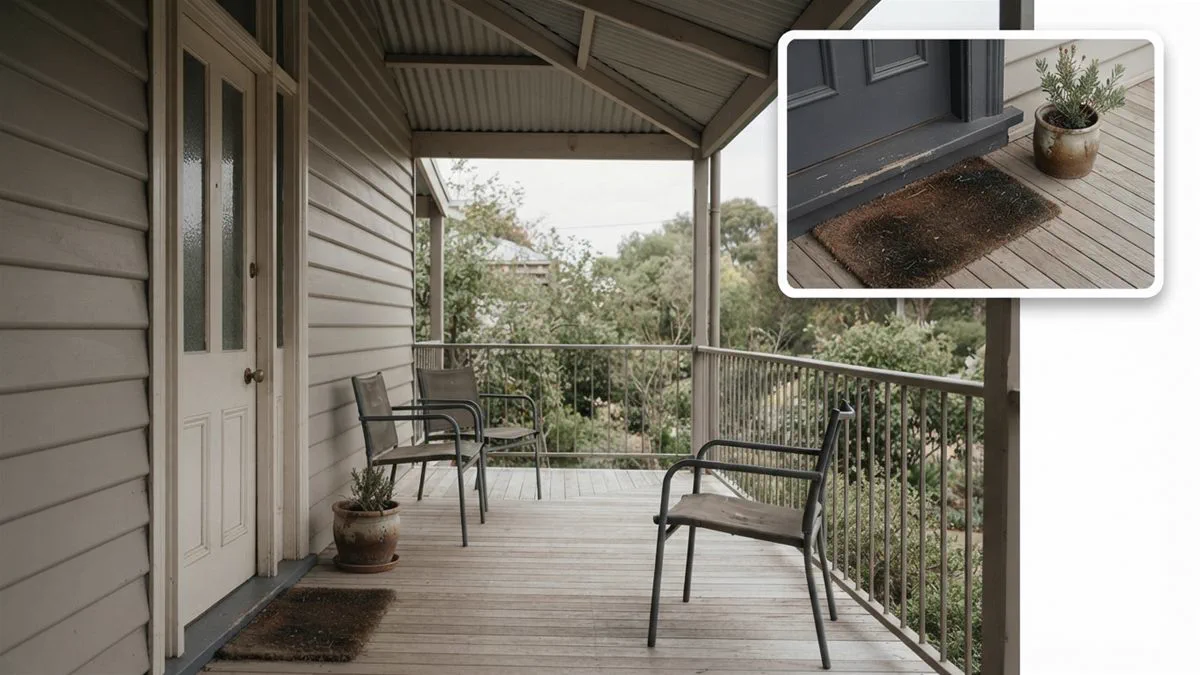
    A front verandah with two chairs and a closed door, in late daylight.

    What it actually is

    Two interests are carved out of the same asset. One person — the life tenant — has the right to use it for their lifetime, or until some other stated event. Somebody else — the remainder beneficiary — takes the asset itself when the life interest ends.

    The classic form is a right to reside: a second spouse can live in the house for as long as they want to, and when they die or move out permanently the house goes to the children of the first marriage. A variant is a life interest in a fund, where the person receives the income and the capital passes on afterwards.

    In modern drafting this is usually done through a testamentary trust rather than as a bare life estate in land, because a trust gives a trustee the flexibility to sell the house and buy a smaller one if circumstances change — which over twenty years they will.

    Why it works against a family provision claim

    Because it answers the thing the court is actually asking about.

    The statutory question is whether adequate provision has been made for the person's proper maintenance, and in a great many cases the substance of that is housing. Somebody who has a secure right to live somewhere for the rest of their life has had the largest component of their need met, and a court weighing whether the will made adequate provision has a very different exercise in front of it than if they had been left nothing.

    It also does something no cash legacy does: it keeps the asset heading where the will-maker wanted it to go. A $900,000 house given outright to a second spouse ends up wherever that spouse's own will sends it, which is frequently not to the first marriage's children.

    Who it suits

    • Blended families. The most common use by a distance, and the situation it exists for.
    • A long second relationship with a modest asset base. The partner needs somewhere to live; the children need the house eventually. A life interest gives both.
    • A vulnerable beneficiary. Somebody who could not manage a large sum, or whose circumstances make holding capital risky.
    • An estate whose main asset is one property that cannot sensibly be divided.

    Where it goes wrong

    These are the failure modes practitioners see, and every one of them is a drafting question rather than a legal one.

    Nobody said who pays for what. Rates, insurance, water, repairs, and the difference between maintenance and capital improvement. A life interest that does not deal with outgoings produces an argument every year for as long as it runs.

    The person wants to move. Downsizing, moving closer to family, moving into aged care. A bare life estate in a specific house makes all of those difficult; a trust with a power to sell and re-purchase makes them straightforward. This is the single strongest argument for using a trust.

    Aged care. A right to reside can interact awkwardly with an aged care means assessment, and it is worth checking rather than assuming.

    The remainder beneficiaries wait a very long time. A life tenant of fifty-eight may live another thirty-five years. Children who expected to inherit "eventually" can find themselves in their seventies before it happens, and the resentment that produces is real.

    The trust costs money to run. Every year, for the whole period. On a modest estate the cumulative cost of administering a trust for three decades is not trivial.

    It is not a way of giving somebody nothing

    A life interest is provision, and a court assessing whether it is adequate provision will look at what it actually delivers. A right to reside in a house the person cannot afford to maintain, with no income and no ability to move, may well be found inadequate.

    Australian courts have varied wills that gave a surviving spouse a right to reside, replacing it with an outright interest or a larger fund, where the arrangement left the person without practical security. The structure helps; it does not immunise.

    What a well-drawn life interest deals with

    • Which asset, and whether it can be substituted for another.
    • Who the trustee is, and who takes over if they cannot act.
    • Who pays rates, insurance, water and repairs, and out of what.
    • What happens if the person wants to move, and whether they can rent the property out.
    • What ends the interest — death, permanent departure, remarriage, or a stated period.
    • Whether the trustee has power to advance capital, and on what conditions.
    • Who the remainder beneficiaries are, and what happens if one dies first.
    • The tax treatment of the trust and of the eventual transfer.

    How it compares with the alternatives

    Against an outright gift, a life interest costs less capital and keeps the asset directed — but it is more complicated, costs money to run, and can be varied.

    Against leaving somebody out entirely, it substantially reduces exposure, because it goes to the heart of the statutory question. See leaving a child out of your will.

    Against a court-approved release, it is less certain. A release actually removes the right to apply; a life interest only makes an application less likely to succeed. See releases.

    Price a life interest against the eight other endings

    The report prices provision as a life interest alongside a lump sum, a release, a pre-action settlement and a contested hearing, on your own figures, and shows what each leaves the people the will names.

    Sign in

    Your saved reports and your access are waiting.

    Create your account

    Free. It saves your scenarios so you never re-type a figure.

    Reset your password

    We will email you a link that works once and expires in an hour.

    Choose a new password

    Pick something you will remember.

    Your details

    Change your password

    Full report access Free view

    Unlock the full report to see every option priced and ranked.

    Your passes

    My reports

    Your orders

    support@calculatedchoices.com.au Questions about the calculator, getting back in, or a refund
    Law Access NSW — 1300 888 529 Free legal help line for New South Wales. Referrals to Legal Aid, community legal centres and the Law Society's pro bono scheme.
    Victoria Legal Aid — 1300 792 387 Free information and referral for Victoria, including Part IV family provision matters.
    Legal Aid Queensland — 1300 651 188 Free legal information for Queensland, and the place to ask about the six month notice and the nine month filing deadline.
    Your state's Public Trustee Every state and territory has one. They administer estates, hold wills and can tell you whether probate has been granted — which is the date most of these deadlines run from.
    Seniors Rights Service — 1800 424 079 Free advice for older people in New South Wales, including where a will or an inheritance is being used as leverage. Every state has an equivalent service.
    Lifeline — 13 11 14 A contested will usually arrives in the middle of a bereavement and often ends a family. If today is one of the bad ones, this line is open all day and all night.

    Send us a message

    Somebody has died, a will has been read, and a person who expected something has been left with nothing or with far less than they thought. Within weeks there is a solicitor's letter, a family that has stopped speaking, and a deadline that in one Australian state is three months long. Both sides are making a six figure decision about the same estate, neither of them has been told what it is worth, and the money that will pay for the argument is the money they are arguing over.

    None of it is secret. It is in the Succession Act 2006 (NSW), Part IV of the Administration and Probate Act 1958 (Vic), the Succession Act 1981 (Qld), the Family Provision Act 1972 (WA), Part 6 of the Succession Act 2023 (SA), the Testator's Family Maintenance Act 1912 (Tas), the Family Provision Act 1970 (NT) and the Family Provision Act 1969 (ACT), and in the practice notes the Supreme Courts publish alongside them. The problem is that there are eight of them, they disagree with each other on who may claim and how long they have, they are written for practitioners, and nobody publishes them side by side because nobody has any reason to.

    Family Provision does one thing: it applies those published rules to your figures and shows you, in full, what they produce. All nine ways a claim can end, priced on one stated measure — what reaches the people the will names — and every working visible, so you can check it, argue with it, or take it to somebody who can act on it. Every figure on the report is labelled as one of three things: what the Act says, what somebody else published, or what this model assumes. We think that last distinction matters more here than anywhere else on this domain, because provision is a discretion and anybody who tells you otherwise is selling you something.

    We do not tell you what to do. We are not licensed to, and frankly the arithmetic is the part people are missing — not the opinion. We are not a law firm, we do not act for anybody in any estate, and we take no referral fee from anybody who does. Here is what a solicitor costs if you decide you want one as well — and for a live dispute, you will.

    1. About this policy

    This policy explains how XTO Pty. Ltd. (we, us, our) collects, holds, uses and discloses personal information, and how you can access, correct or complain about it. We handle personal information in accordance with the Privacy Act 1988 (Cth) and the Australian Privacy Principles (APPs).

    It applies to calculatedchoices.com.au and to every email we send you. It does not apply to any third party site we link to.

    2. What we never collect

    We do not ask for, and you should never send us, your Medicare number, tax file number, the names of the parties, the will itself, or any court document, bank account details or card number. The calculator does not need them. If you send one to us anyway we will delete it rather than store it.

    We do not collect sensitive information as defined in the Privacy Act — health information, racial or ethnic origin, political or religious beliefs, sexual orientation, or criminal record. Where the calculator asks about care needs it asks about funding categories, never about a medical condition.

    3. What we collect, and why

    Information you give us

    • Account details — first and last name, email address, and optionally phone, suburb, state, postcode and your relationship to the person entering care. Used to create and secure your account and to deliver what you bought.
    • Saved reports — the figures you entered and the results produced, stored against your account only if you choose to save one. Used so you can return to and compare them.
    • Purchases — the order, amount, currency, access period and the PayPal transaction reference. Used to grant access, issue receipts and meet our tax and record keeping obligations.
    • Correspondence — what you write to us and our reply. Used to answer you and to resolve disputes.
    • Email estimates and reviews — the email address you give us to receive a free estimate, and any review you submit for publication.

    Information collected automatically

    • Technical data — IP address, browser user agent, device type, screen and viewport size, and the referring page.
    • Activity data — the pages you open, the order you open them in, time spent on each, how far you scroll, which calculator steps you complete, and which buttons you press. Used to understand where the site is confusing and to improve it.
    • Advertising identifiers — where you arrive from an advertisement, the click identifier appended to the link (for example Google's gclid) and any campaign parameters, so we can measure which advertising works.

    4. Where the calculation happens

    In your browser, on your device. The figures you type into the calculator are processed locally to produce your result. They are transmitted to us only if you choose to save a scenario to your account. If you never save one, we never receive them.

    Two exceptions, and both are things you have to choose to do:

    • If you ask us to email your free estimate, the headline figure that estimate produced is stored with your email address so the estimate we send you is the one you saw.
    • If you use the optional report assistant, the figures in the report you have open are sent to us and on to the service that answers it. That is the only part of this site that sends anything to a third party, and section 5 sets out exactly what does and does not travel.

    5. The report assistant

    A paid report comes with an optional assistant you can ask questions about your own figures. It is the one part of this site that sends anything to a third party, so it is set out here in full.

    It is entirely your choice, and it does nothing until you use it. Nothing is sent anywhere unless you open the assistant and ask a question. If you never open it, this section does not apply to you at all, and the rest of the report works exactly the same.

    What is sent when you do ask

    • A plain-text summary of the figures in the report you have open — the amounts, categories and comparisons the report already shows you on screen.
    • The question you typed, and the questions and answers already in that conversation, so a follow-up makes sense.

    What is not sent

    • Your name. The name field on the calculator is optional and is used only on your own report cover. It is not part of what the assistant is given.
    • Your email address, your account, your phone number or your street address. The assistant is not told who you are, and is given no way to find out.
    • Your Medicare number, tax file number, the names of the parties, the will itself, or any court document, bank account or card details — we never hold these in the first place. See section 2.

    What travels is a set of amounts and categories. On its own it does not identify anybody, and we do not send anything alongside it that would.

    Who processes it

    The request is answered by Google's Gemini API, which processes it outside Australia — see sections 10 and 11. We do not train any model on your figures and we have no arrangement permitting anyone to do so; what Google does with data sent to its API is governed by its own terms, which we do not control.

    How long it is kept

    • The summary of your figures is held in our server's memory for one hour so a conversation does not have to re-send it with every question, and is then discarded. It is never written to our database.
    • The conversation itself is stored in your own browser tab and is gone when you close that tab. We do not keep a copy.
    • We record that a question was asked, and how long it was, so we know whether the feature is used. We do not record what it said.

    Because the assistant is optional, you can have the entire paid report without any of the above ever happening. Nothing in the report is withheld from somebody who never opens it.

    6. Cookies and browser storage

    We use the following, and nothing else:

    • An authentication cookie — set only when you sign in, so you stay signed in. Strictly necessary.
    • A guest identifier — so a scenario saved before you register can be attached to your account when you do.
    • A session key (browser session storage) — identifies one visit for the activity data described above. It is a random value and is discarded when you close the tab.
    • A visitor key (browser local storage) — a random value kept for up to twelve months so we can tell a returning visitor from a new one. It contains no personal information and is not shared with anyone.
    • Preferences — your light or dark theme choice.

    You can clear or block these through your browser at any time. Clearing them will sign you out and reset your preferences; the site will otherwise work normally.

    7. Analytics and advertising

    We use Google Analytics and Google Ads to measure how people find and use the site and whether our advertising is worth running. Where these are enabled, Google receives your IP address, device and browser information, the pages you viewed, and — when you complete a purchase — the order reference and the amount paid. Google may set its own cookies and may combine this with data it holds from other sources. Google's handling of that data is governed by its own privacy policy, not ours.

    We do not sell your personal information, and we do not disclose it to data brokers, advertising networks other than as described above, solicitors, barristers, executors or any other party to an estate, or anyone who might try to sell you something.

    You can opt out of Google Analytics using Google's browser add-on, and you can adjust personalised advertising in your Google account settings.

    8. Payments

    Payments are processed by PayPal. Your card or account details are entered on PayPal's systems and are never transmitted to, seen by, or stored on our servers. We receive only the transaction reference, the amount, the status and the email address associated with the payment.

    9. Who we disclose information to

    • Service providers who host the site, send our email and process payments, and only so they can perform that function.
    • Google, as described in sections 5 and 7.
    • Professional advisers — our accountants and lawyers, under obligations of confidence.
    • A purchaser of our business, if it is ever sold, on terms that require them to honour this policy.
    • Law enforcement, courts or regulators, where we are required or authorised by law.

    10. Overseas disclosure

    Some of these providers store or process data outside Australia, principally in the United States (Google, PayPal) and, depending on our email provider, in other countries. By using the site you acknowledge that we take reasonable steps to ensure overseas recipients handle your information consistently with the APPs, but that we cannot control and are not accountable for how an overseas recipient handles it once disclosed, and that you may not be able to seek redress in that jurisdiction.

    11. Security

    The site runs entirely over HTTPS. Passwords are stored as salted PBKDF2 hashes, not as text anyone here can read. Access to the database is restricted to those who need it. No system is perfectly secure, and we cannot guarantee the security of information transmitted over the internet, but we take reasonable steps to protect it from misuse, interference, loss and unauthorised access, modification or disclosure.

    If a data breach occurs that is likely to result in serious harm, we will notify you and the Office of the Australian Information Commissioner as required by the Notifiable Data Breaches scheme.

    12. How long we keep it

    • Account and saved reports — until you delete them or ask us to.
    • Order and payment records — seven years, as required by Australian tax law. We cannot delete these earlier, even on request.
    • Activity data — up to twenty‑six months, then deleted or aggregated so it no longer identifies anyone.
    • Email leads — until you unsubscribe, then only the record needed to honour that unsubscribe.

    13. Direct marketing

    If you give us your email address for a free estimate we may follow up about the full report. Every commercial email we send identifies us and carries a functional unsubscribe link, as required by the Spam Act 2003 (Cth). We action unsubscribes immediately. You will still receive transactional email — receipts, access details and password resets — because those are not marketing.

    14. Accessing, correcting and deleting your information

    Write to support@calculatedchoices.com.au. We will:

    • give you access to the personal information we hold about you, or explain why we cannot;
    • correct anything inaccurate, out of date, incomplete, irrelevant or misleading;
    • delete your account and every scenario attached to it, subject to the retention periods in section 12.

    We will respond within 30 days and will not charge you for making a request. We may need to verify your identity first.

    15. Complaints

    If you think we have breached the APPs, write to support@calculatedchoices.com.au with "Privacy complaint" in the subject line. We will acknowledge within 5 business days and respond substantively within 30 days.

    If you are not satisfied with our response, you may complain to the Office of the Australian Information Commissioner: oaic.gov.au, 1300 363 992, or GPO Box 5288, Sydney NSW 2001.

    16. Children

    The site is intended for people making a will, people administering an estate, and people deciding whether they have been left without adequate provision. It is not directed at children and we do not knowingly collect personal information from anyone under 18.

    17. Changes to this policy

    We may update this policy. The effective date at the top changes when we do. Where a change is material we will tell you by email or by notice on the site before it takes effect. Continuing to use the site after that means you accept the updated policy.

    18. Contact

    Privacy Officer
    XTO Pty. Ltd. (ACN [ACN NOT SET])
    Level 1, 457 Elizabeth Street, Surry Hills NSW 2010
    support@calculatedchoices.com.au
    1. Agreement

    By using calculatedchoices.com.au (the site) or buying a pass you agree to these terms. If you do not agree, do not use the site. In these terms we, us and our mean XTO Pty. Ltd.; you means the person using the site or, where you use it on behalf of another person or an entity, both you and that person or entity.

    2. Eligibility

    You must be at least 18 and legally able to enter a contract. The site is intended for use in Australia and applies Australian law and the published succession legislation of each Australian state and territory only. If you use it from outside Australia you do so on your own initiative and are responsible for local compliance.

    3. What this service is

    Family Provision is an information and calculation service. It applies the published succession legislation of each Australian state and territory to figures you supply and reports what those rules produce, showing its workings and naming the fee schedule used.

    4. What it is not

    It is not financial product advice, personal advice, legal advice, tax advice, accounting advice or legal advice, and it is not a recommendation to acquire, dispose of or deal in any financial product.

    • We do not hold an Australian Financial Services Licence and are not authorised representatives of any licensee.
    • We do not know your full circumstances, objectives, financial situation or needs, and nothing produced by the site takes them into account.
    • Where the report ranks options it does so on a single arithmetic measure that deliberately ignores everything a number cannot capture — health, family circumstances, tax position, estate planning, the strength of a claim or of a defence, and what actually matters to you.
    • We receive no commission and have no relationship with any executor, administrator, beneficiary, claimant, solicitor or barrister.

    You should obtain independent, licensed advice before acting. Any decision you make is yours.

    5. Accuracy and estimates

    We take considerable care to keep the rates current and the formulas right, and every report prints the schedule it was built on. Even so:

    • All output is an estimate based on the figures you entered. If those figures are wrong, incomplete or out of date, the output will be too.
    • What is actually ordered is decided by the Supreme Court of the state or territory where the estate is administered, in the exercise of a broad discretion, and the costs order belongs to that court too. Nothing here predicts either. Those prevail over anything the site produces.
    • Rates, thresholds and caps change by legislation and indexation, and legislation can change without notice or retrospectively.
    • Projections rely on assumptions about the future — investment returns, indexation, home values, length of stay — which are inherently uncertain and will not be accurate.

    Always confirm before you act.

    6. Your responsibility for decisions

    You acknowledge and agree that you are solely responsible for evaluating the output, for verifying it against official sources, for obtaining independent professional advice, and for every decision you make or do not make. We are not your adviser and no fiduciary or advisory relationship arises from your use of the site.

    7. Accounts

    You are responsible for keeping your password confidential and for everything done under your account. Tell us immediately at support@calculatedchoices.com.au if you suspect unauthorised use. We may suspend or close an account we reasonably believe is being used in breach of these terms.

    8. Passes, price and payment

    • A pass grants access to the full report from the moment payment is confirmed, and it does not expire. It does not renew and nothing is charged automatically. There is no subscription and no card is kept on file.
    • Prices are in Australian dollars and include GST where applicable. We may change prices at any time; the price shown when you buy is the price you pay.
    • Payment is processed by PayPal under its own terms. We do not receive your card details.
    • A pass is for personal or single household use. It is not transferable and may not be shared, resold or used to provide a service to others.

    9. Reports you export

    A report you export as a PDF or otherwise save remains yours to keep and to show to family, an adviser or an executor or administrator. That licence is personal and non‑commercial. It does not permit republication, resale, or use as part of a product or service you provide to others.

    10. Refunds

    Our promise: if the calculator cannot properly model your circumstances, or something has gone wrong, write to us within 14 days of purchase and we will refund the pass. No form and no argument. We would rather refund you than have you rely on a number that does not fit.

    This is a voluntary commercial guarantee offered in addition to, and it does not limit, your rights under the Australian Consumer Law. Refunds are made to the original payment method within five business days of us accepting the request.

    11. Acceptable use

    You must not:

    • scrape, crawl, harvest, mirror or systematically extract the site or its content;
    • attempt to access the paid report engine, any account, or any data without authorisation;
    • reverse engineer, decompile or attempt to derive the source of any part of the service;
    • interfere with the site's operation or security, or impose an unreasonable load on it;
    • resell, sublicense or commercially exploit the service or its output;
    • use the site to provide financial, legal or placement advice to third parties; or
    • use it unlawfully, or to infringe anyone's rights.

    12. Intellectual property

    All content, code, calculation methodology, report design, text and branding on the site is owned by us or licensed to us and is protected by copyright and other laws. Legislated rates and government data are not owned by anyone; our expression, arrangement and implementation of them is. Nothing in these terms transfers ownership to you.

    13. Availability

    We aim to keep the site available but do not guarantee it will be uninterrupted, timely, secure or error free. We may modify, suspend or discontinue any part of it, and may perform maintenance, at any time. If we permanently discontinue the service while your pass is running, we will refund the unused portion.

    14. Third parties

    The site relies on third party services including PayPal, Google and our hosting and email providers, and links to third party sites and government resources. We are not responsible for those services or sites, their availability, their content or their terms.

    15. Australian Consumer Law

    Our goods and services come with guarantees that cannot be excluded under the Australian Consumer Law. For major failures with the service, you are entitled to cancel your service contract with us and to a refund for the unused portion, or to compensation for its reduced value. You are also entitled to be compensated for any other reasonably foreseeable loss or damage. If the failure does not amount to a major failure, you are entitled to have problems with the service rectified in a reasonable time and, if this is not done, to cancel your contract and obtain a refund for the unused portion of the contract.

    Nothing in these terms excludes, restricts or modifies any consumer guarantee, right or remedy conferred by the Australian Consumer Law or any other law which cannot lawfully be excluded, restricted or modified. If any part of these terms would do so, that part does not apply.

    16. Limitation of liability

    Subject always to section 15, and to the maximum extent permitted by law:

    • the site and its output are provided "as is" and "as available", and we exclude all warranties, conditions, guarantees and representations not expressly set out in these terms, whether express, implied, statutory or otherwise, including as to accuracy, fitness for a particular purpose, merchantability and non‑infringement;
    • we are not liable for any indirect, incidental, special, punitive or consequential loss, or for any loss of profit, revenue, savings, opportunity, goodwill, data, anticipated benefit, or for any loss arising from a decision made or not made in reliance on the site, however arising and whether in contract, tort (including negligence), statute or otherwise, even if we were advised of the possibility;
    • our total aggregate liability to you for all claims connected with the site or these terms is limited, at our election, to resupplying the service or to refunding the amount you actually paid us in the twelve months before the claim arose; and
    • where liability cannot be excluded but can be limited, it is limited as set out above.

    You agree that this allocation of risk is reasonable given the price of the service and that the service is information rather than advice.

    Our liability is reduced to the extent your loss is caused or contributed to by you, including by entering incorrect figures, by failing to verify output against official sources, or by failing to obtain independent advice.

    17. Indemnity

    To the maximum extent permitted by law, you indemnify us against any claim, loss, liability, cost or expense (including reasonable legal costs) arising from your breach of these terms, your misuse of the site, or your provision of the site's output to a third party who relies on it. This does not apply to the extent the claim arises from our own breach, negligence or wilful misconduct.

    18. Termination

    You may stop using the site at any time. We may suspend or terminate your access immediately if you breach these terms. Sections 4, 5, 6, 9, 12, 15, 16, 17, 19 and 20 survive termination.

    19. Privacy

    Our Privacy Policy forms part of these terms and explains how we handle personal information.

    20. Governing law

    These terms are governed by the laws of New South Wales, Australia. You and we submit to the non‑exclusive jurisdiction of the courts of New South Wales and the courts entitled to hear appeals from them.

    21. General

    • Changes. We may amend these terms. The effective date changes when we do, and material changes will be notified by email or on the site before they take effect. The terms in force when you bought a pass govern that purchase.
    • Severability. If a provision is unenforceable it is read down to the minimum extent necessary, or severed, without affecting the rest.
    • Waiver. A failure to enforce a right is not a waiver of it.
    • Assignment. You may not assign these terms without our consent. We may assign them on a sale of the business.
    • Entire agreement. These terms and the Privacy Policy are the entire agreement between us about the site.

    22. Contact

    XTO Pty. Ltd. (ACN [ACN NOT SET])
    Level 1, 457 Elizabeth Street, Surry Hills NSW 2010
    support@calculatedchoices.com.au

    How much will you lose?